All Categories
Featured


The Evolution of Local Search Marketing Shifts
Table of Contents
Customer uploads can not be gotten rid of unless they break Google's content policies (off-topic, offensive, deceptive). Flag truly troublesome images through the image-level menu; do not flag unflattering-but-accurate ones Google turns down such requests and repeated flagging can decrease profile trust signals.

Profiles that add media weekly show measurably greater views in the Performance tab than profiles that submitted once at setup and then stopped. Deal with media as a continuous deliverable, not a setup task. The old Insights tab was replaced by the Performance tab in 2023 and considerably overhauled once again in 2026.
An excellent weekly read takes five minutes and informs you whether category-level SEO work is landing. Performance splits searches into direct (brand-name), discovery (category or service terms), and branded-adjacent (rival or adjacent-brand inquiries). Increasing discovery ratio is the cleanest single indication that classification and material work is moving the profile beyond its existing audience.
Each action maps to a different stage of the local funnel. Track the ratio, not simply the raw numbers a profile with 500 views and 40 instructions demands is performing far much better than one with 5,000 views and 50 requests.
The 2026 update included a new row that divides impressions by surface area: traditional local panel, Maps AI summary card, and Google AI Overviews in the organic SERP. Track AI-surface share a rising percentage of views originating from AI summary cards is the specifying local-SEO metric of 2026. If your AI-surface share is listed below 15%, your profile is either missing grounding content (product descriptions, comprehensive reviews) or is completing in a vertical where Google has actually not yet rolled out summaries.
Maximizing Future Local SEO Functions
The criteria is indicative rather than definitive you can not see which peers are included but sustained below-median performance on views or action rate is a signal to examine primary category, description completeness, and media freshness. Pull Efficiency data into Looker Studio through the main GBP adapter for cross- area reporting.
Google has actually explained local ranking as a function of three aspects for over a decade: proximity, significance, and prominence. That framing still holds in 2026, however each element has gathered sub-signals that separate top-performing profiles from stagnant ones.
A dental practitioner whose description checks out "Household dentist offering cleanings, bleaching, veneers, and pediatric care" will match more discovery inquiries than one that reads "Your relied on local dental expert". The most complicated element. Includes backlink profile of the connected website, citations throughout the local-citation chart (Yelp, TripAdvisor, BBB, market directories), review count, evaluation speed, evaluation belief, and offline brand name acknowledgment (news mentions, sponsorships).
A different sub-signal that Google has progressively weighted. Profiles getting fresh reviews every week outrank otherwise-equivalent profiles whose most current review is three months old. Cadence matters more than volume at the margin. Tie evaluation requests to a functional milestone (service conclusion, delivery, follow-up call) so the cadence is automated rather than campaign-driven.
Why Is Your Business Checklist Prepared for 2026?
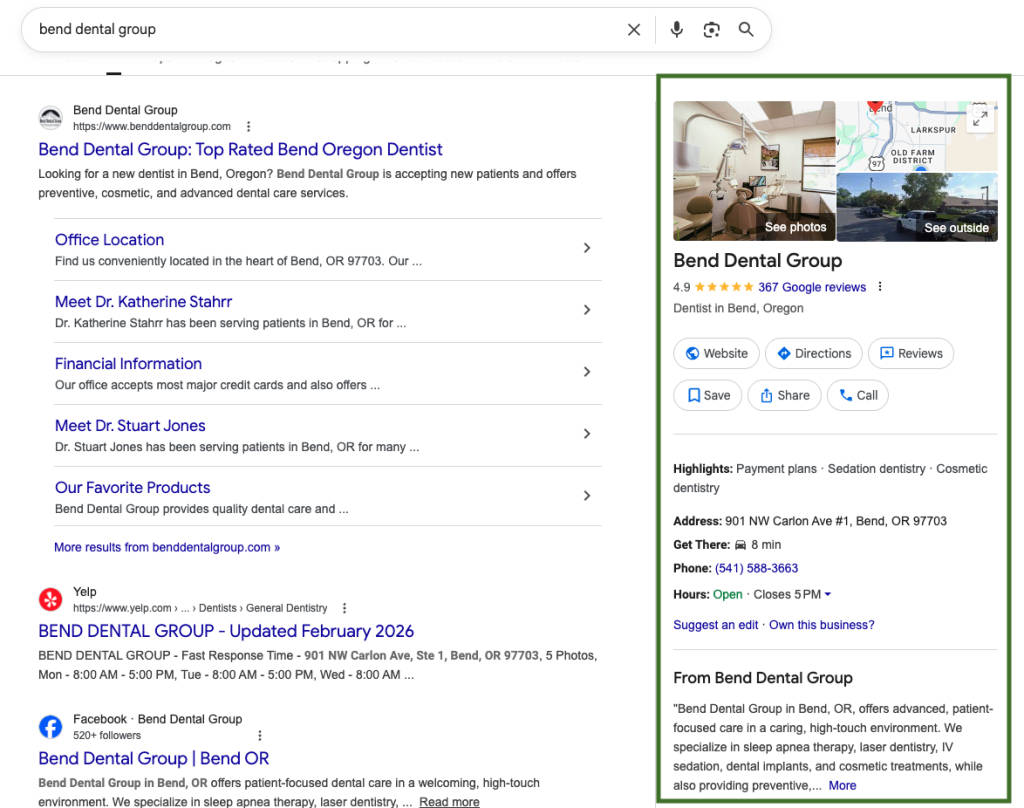
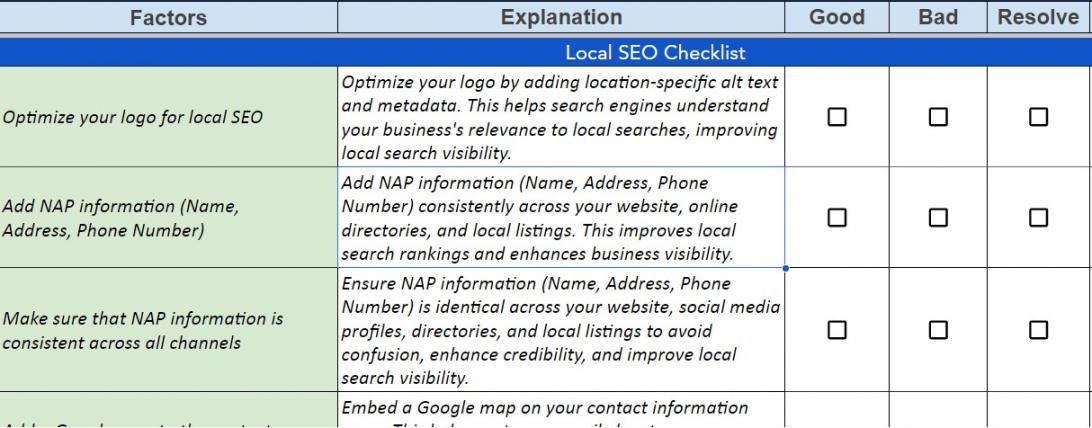
Suite numbers formatted differently, a mix of 555-1234 and (555) 123-4321, a tradition "LLC" suffix on some directory sites and not others each disparity makes Google somewhat less confident about the entity. Run a citation audit with Moz Resident, BrightLocal, or Semrush Listing Management and fix the top 20 highest-authority inconsistencies quarterly.
Profiles with abundant grounding material (in-depth reviews, substantive products, connected service pages) are pointed out inside Introductions; thin profiles are excluded. Cross-reference with our for context on the 2026 shifts. Everything above still uses when you run one profile. The mechanics change materially above about 10 locations. The tradition per-profile interface sundown in 2025 all management now streams through with Place Groups, business Profile API for programmatic updates, and a hardened policy structure that particularly resolves AI-generated material.
[target2:anchor_exact1]A dental expert whose description checks out "Household dental practitioner offering cleanings, whitening, veneers, and pediatric care" will match more discovery queries than one that checks out "Your relied on local dental practitioner". The most complex element. Includes backlink profile of the connected website, citations across the local-citation graph (Yelp, TripAdvisor, BBB, market directory sites), review count, review velocity, evaluation belief, and offline brand acknowledgment (news points out, sponsorships).
A different sub-signal that Google has progressively weighted. Profiles receiving fresh reviews each week outrank otherwise-equivalent profiles whose newest evaluation is 3 months old. Cadence matters more than volume at the margin. Tie evaluation requests to an operational turning point (service completion, shipment, follow-up call) so the cadence is automatic rather than campaign-driven.
Suite numbers formatted in a different way, a mix of 555-1234 and (555) 123-4321, a legacy "LLC" suffix on some directories and not others each inconsistency makes Google slightly less confident about the entity. Run a citation audit with Moz Resident, BrightLocal, or Semrush Listing Management and fix the top 20 highest-authority inconsistencies quarterly.
Is the Local SEO Approach Optimized for 2026?
Profiles with rich grounding content (in-depth evaluations, substantive items, connected service pages) are mentioned inside Overviews; thin profiles are excluded. Everything above still uses when you run one profile.

Latest Posts
High-Impact Local Search Systems for SME Success

Effective Local Search Marketing Plays for 2026
Effective Ways to Improve Your Local Map Signals